Overlay
Let's talk

Hello!

The Bolder Bet Is Owning What You Actually Are

The fastest way to lose a market position is to chase someone else’s.

There’s a particular panic inside legacy enterprise companies right now. You can hear it in the board decks and the rushed conversations about “modernizing the narrative.” Everyone wants to be seen as something they’re not quite sure they are.

The instinct makes sense. When new entrants are getting the valuations and the attention, it’s natural to want what they have. But the most interesting companies aren’t chasing. They’re doing something that requires more nerve: telling a true story about what they actually are and refusing to apologize for it.

What Trader Joe’s Understood

Trader Joe’s has never tried to be Whole Foods. They could have. When premium grocery became a category, they could have expanded the stores, added the juice bars, and hired the sommeliers. They didn’t.

Instead they kept the small footprint and the Hawaiian shirts. They owned a specific position and let Whole Foods own a different one. Twenty years later, Amazon paid thirteen billion for Whole Foods and immediately started trying to figure out what made it special. Trader Joe’s is still Trader Joe’s, and nobody’s confused about what they’re getting when they walk in.

This is a story about the confidence to be a specific thing instead of chasing whatever seems to be winning.

Conviction Is Visible

Bloomberg never tried to become a social media company. When every financial news outlet was chasing engagement and virality, Bloomberg kept building terminals and charging a premium for them. They looked out of step for a while. Now they look like the only ones who understood what they were actually selling.

Costco didn’t try to become Amazon. They kept the warehouse model and the $1.50 hot dog. While other retailers were scrambling to build e-commerce operations that would never be profitable, Costco stayed Costco. Their stock has outperformed most of the companies that tried to out-Amazon Amazon.

Here’s what’s easy to miss: these companies didn’t succeed despite their constraints. The constraints were the strategy. What looked like limitations were actually decisions about who they were for.

The Story You Already Have

Most legacy enterprise companies have genuine advantages that newer players will spend years trying to build. Customer relationships that go back decades. Implementation expertise that only comes from doing it wrong a hundred times first.

For buyers making high-stakes decisions with real consequences if things go wrong, that’s exactly what they’re looking for. They don’t want to be someone’s learning curve.

But you have to tell that story like you believe it. Not defensively, not as an explanation for why you’re not something else. The companies that pull this off talk about their advantages with the same energy that new entrants bring to their pitch decks. They’re not explaining why they’re still relevant. They’re making a case for why they’re the better bet.

The Work That Matters

The best brand work doesn’t invent a story. It finds the true one and makes it unmistakable. For companies with real depth, that story is already there, sitting in the customer relationships and institutional knowledge that nobody thought to write down.

The constraints aren’t what’s holding you back. They’re the strategy.
Conviction Is the Fastest Way Forward

Why Conviction—Not Pressure—is What Creates Real Organizational Speed

Every leadership team wants to go faster. Faster product launches. Faster decision cycles. Faster reactions to change. Just faster.

In a world where disruption is constant and expectations only rise, speed isn’t a luxury. It’s a lifeline. So companies try to engineer it. They compress timelines, layer on agile rituals, and ramp up accountability. They tighten the system, hoping pressure will create acceleration.

But here’s what we see again and again with executive teams under strain: Pressure creates motion. But it doesn’t create momentum.

When Movement isn’t Progress

Many organizations are in near-constant motion. Everyone’s busy. Meetings multiply. New initiatives are always launching. And yet, nothing seems to fundamentally shift. People are working hard. They’re trying. But something’s missing. Usually, it’s belief. Not in a philosophical sense. In a very practical one.

When teams don’t believe in the strategy, when they don’t fully trust their leaders—or the future that’s being painted for them—they don’t accelerate. They hesitate. They wait to be sure. They avoid risk. They play it safe.

And that hesitation? That’s what slows things down. Not tools. Not process gaps. A lack of conviction.

Belief is What Actually Moves People

We don’t talk about it enough, but belief is structural. It’s not about values posters on your walls or survey scores. It’s about what people carry into real situations.  Like:

  • Deciding whether to challenge a decision—or stay quiet
  • Taking initiative without being asked—or waiting for approval
  • Making a hard tradeoff—or kicking it down the road

When people believe in what they’re building—and in who they’re building it with—they don’t wait. They move. And that’s what creates speed. Not pressure. Not process. Belief.

What the Data Shows

It’s not just observation. The data backs it up:

  • Only 23% of employees are engaged globally (Gallup, 2024). That’s a massive signal. Not of burnout—but of disbelief. When belief is missing, acceleration stalls.
  • Trust in institutions—including business—has dropped below 35% worldwide (Edelman, 2024). Leaders are trying to go faster in an environment where people are skeptical by default.
  • Organizations with high alignment and commitment are 3.7x more likely to be top performers (McKinsey). That’s belief, quantified.
  • Companies with clear alignment make decisions five times faster, with half the effort (BCG). That’s what belief enables—speed without drag.

These aren’t marginal gains. This is the compounding effect of conviction.

What High-Belief Leaders Do Differently

They don’t just look at speed as a process challenge. They ask different questions.

  • NOT: “Why aren’t we moving fast enough?”  BUT: “What’s missing from what people believe?”
  • NOT: “What do we need to push harder?”  BUT: “Where is belief breaking down?”
  • NOT: “What’s our cadence?”  BUT: “Do our people trust the direction enough to move on their own?”

Because when belief is present, alignment happens faster. People move without waiting. And execution feels lighter.

From Internal Conviction to Market Recognition

What happens inside a company eventually becomes visible outside it. Shared conviction creates the coherence the market needs to understand what a company has become.

The market can only recognize, believe, and value what a company itself understands and carries consistently. When conviction is shared internally, that coherence becomes visible outside the company, too. When it isn’t, the fragmentation leaks out—sales tells one story, marketing tells another, and customers and investors piece together a version of the company that’s incomplete, or already out of date.

That’s the distance we call the Belief Gap: the space between the company you’ve actually built and the company the market is prepared to recognize, believe, and price. A lack of internal conviction doesn’t just slow decisions down. It widens that gap—because the market can’t believe a story the company isn’t carrying consistently itself.

It’s the same mechanism, inside and out. Conviction is what’s true inside the company. Emotional Impact is what turns that truth into something people can feel. Belief is what the market gives back once it recognizes what the company has become. Internally, that belief looks like speed. Externally, it looks like being understood, valued, and priced for what you’ve actually built.

So the choice we described above—pressure or belief—was never just an internal one. Build conviction inside, and eventually it shows up outside: in how investors describe you, how customers talk about you to their peers, and how quickly the market catches up to who you’ve actually become.

The Shift That Matters

You can keep optimizing for activity—more meetings, more urgency, more friction. Or you can build belief.

It doesn’t mean abandoning discipline. It means recognizing what actually makes speed sustainable. Because belief isn’t about being idealistic. It’s about being real with people, clear about where you’re going, and committed to making it worth their effort.

That’s what changes behavior. That’s what scales. And that’s what creates the only kind of speed that lasts.

–

We’re Emotive Brand, a brand strategy and design firm for product-proven B2B technology and AI companies. We help close the Belief Gap so companies become understood, valued, and priced for what they have built.

Brands That Move People Will Own the Market in 2025

In 2025, brands that truly move people will dominate. Forget focusing solely on features—lasting impact comes from emotional connections that inspire action and advocacy. You already know that standing out in a competitive market is crucial, but real leaders don’t just stand out—they make a lasting impact that resonates deeply with their audience.

Many brands miss the mark by focusing only on features and rational benefits, forgetting that emotional connection multiplies impact. If you’re aiming to lead with purpose and influence in 2025, the real differentiator is emotion.

Why Emotion is the Key to Driving Meaningful Impact

True market leaders know emotional connection isn’t optional—it’s a competitive edge that drives faster decisions, increases advocacy by 60%, and boosts lifetime value. Brands that stir emotions inspire loyalty, retention, and long-term relevance. These are the brands that don’t just compete—they inspire, influence, and lead.

At Emotive Brand, we know emotion is the strategic lever behind every major business outcome—speeding up decisions, improving retention, and building stronger customer loyalty. Without an emotional connection, your brand is just another option. With it, you become the only option.

A Brand Blueprint for Impact

Emotional connection may be the missing piece, but simply knowing that isn’t enough. The real question is, how do you harness the power of emotion to drive measurable outcomes? That’s where our Brand Blueprint comes in.

The Brand Blueprint isn’t a creative exercise—it’s a fast, actionable path to becoming a high-impact brand. Whether you’re looking to strengthen your position or expand into new markets, Emotive Brand’s Blueprint equips you with the tools to:

  • Create Emotional Connections that build lasting relationships and make your brand the top choice—not just for what you offer, but for how you make customers feel. These emotional bonds turn customers into loyal advocates, driving retention, increasing lifetime value, and fostering organic growth.
  • Amplify Your Brand’s Impact by leveraging emotional engagement as a competitive advantage. Brands that build strong emotional connections don’t just attract customers—they create experiences that deepen loyalty, speed decision-making, and fuel sustained growth, positioning your brand as a true market leader.
  • Align Strategy and Emotion across every touchpoint. From your messaging to customer interactions, our approach ensures your brand consistently delivers both the emotional and rational elements that build trust and credibility, creating a unified experience that resonates deeply and turns customers into lifelong brand advocates.
  • Sustain Your Leadership Position by embedding emotional connection into every phase of the customer journey. This fosters long-term trust and loyalty, transforming your brand into a market leader that customers believe in, follow, and champion.

Ready to Make an Unforgettable Impact in 2025?

Is your brand building emotional connections that inspire action, or stuck relying on outdated rational appeals?

Here’s the real question: Why do so many B2B brands still think emotion is just for B2C? The truth is, B2B buyers—whether at the C-suite or senior leadership level—face higher stakes. Their time, credibility, and even their jobs are on the line. Yet, most brands still focus on features, missing the emotional drivers that lead to real impact. The old rational playbook no longer works. If you’re not building emotional ties, you’re missing out on the most powerful lever for driving loyalty, advocacy, and long-term impact.

Let’s talk. Share your thoughts, and together, let’s reshape the future of B2B branding through the power of emotion.

Rebranding Silverfort to Close the Belief Gap

Every day, Emotive Brand works with product-proven B2B technology and AI companies to help the market recognize what they’ve built before value is judged. So we were thrilled to partner with Silverfort, and rise to the challenge of helping the market understand a new approach to an industry on which all other industries now depend.

Silverfort had developed a fundamentally different approach to identity security. Lucky for us, their leadership team understood that when you challenge the status quo, you have to bring everyone along—and that in revealing new possibilities, you must not only explain how they work but why they matter, especially in crowded B2B and tech spheres.

Innovation meets appreciation

At Emotive Brand, we believe that when you honor the people behind the tech—and build a brand that elevates their role—you can unlock something powerful: belief.

That’s exactly the opportunity we saw when we teamed up with Silverfort. The team at Emotive felt it right away.

Silverfort isn’t just another cybersecurity company. Its Runtime Access Protection (RAP) approach puts identity at the center of cybersecurity in a new way. But like so many transformative technologies, the hardest part isn’t necessarily the innovation. It’s helping people understand and believe in it.

Identity security has long been overlooked as a critical part of cybersecurity. And the professionals who manage it? Often underappreciated, fighting quiet battles in the shadows of flashier security priorities. Silverfort saw that. And we did too.

Together, we built a brand that said: not anymore.

Expansive technology needs expansive strategy

We set out to do what brand strategy does best—make a complex, technical shift clear, meaningful, and recognizable. We shifted the narrative from what identity security has been (an afterthought) to what it can be: comprehensive, continuous, and finally worthy of the spotlight.

To get there, we built from what was fundamentally true about Silverfort and how that truth needed to be experienced. The resulting verbal identity reflects Silverfort’s intrepid spirit of discovery—how they found a way to completely reimagine identity security, delivering the technology identity security professionals deserve.

Pivoting away from fear-based category tropes about dark, looming threats, the voice and underlying brand strategy take care to validate and uplift these essential teams.

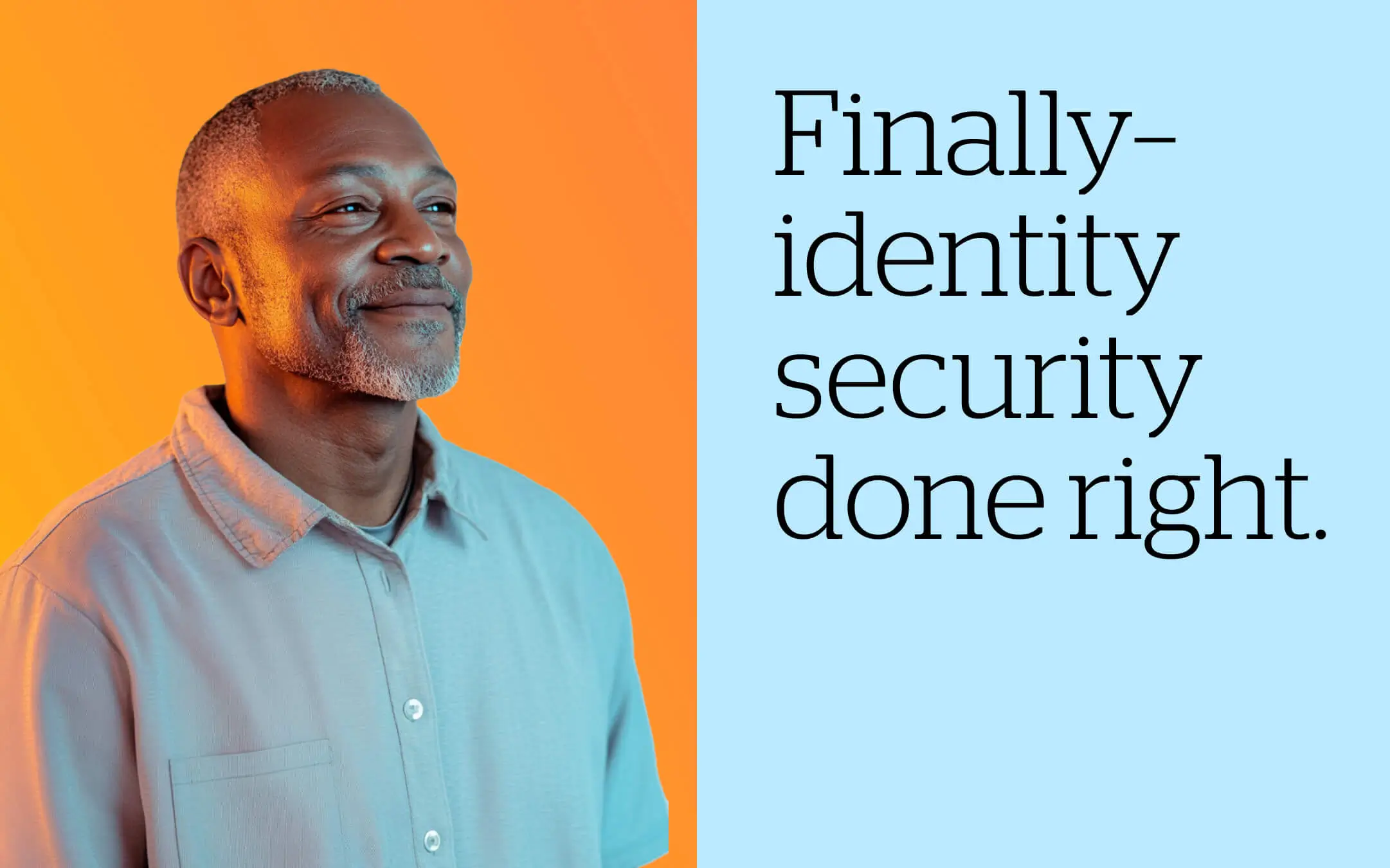
In tandem, we created a new visual identity that feels alive—ambient gradients, adaptive forms, and a striking aura of protection that surrounds any environment, any user, any system. It signals optimism, not fear. Momentum, not maintenance. Progress, not patchwork.

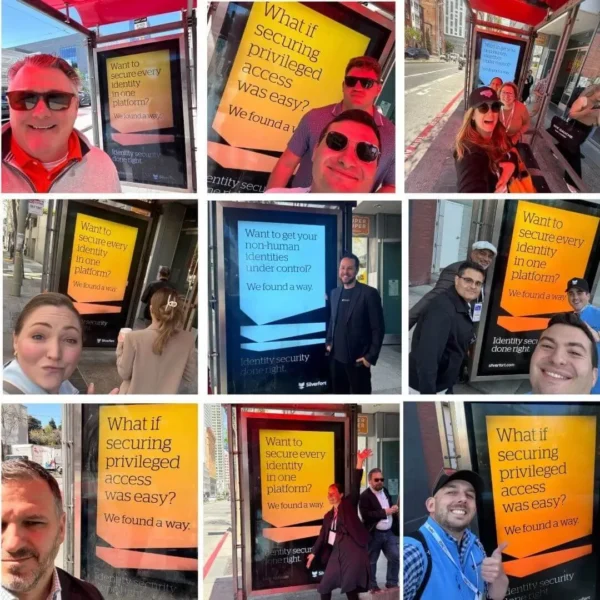
All told, our work with Silverfort began with the Brand Foundation and extended through verbal and visual identity to digital expression, including a new website. But make no mistake—we weren’t checking boxes. Every element serves a bigger purpose.

Belief starts with what’s true

The heart of the Silverfort brand is belief—not just in its technology, but in people. The identity and security professionals who’ve kept enterprises afloat without recognition for too long. The ones who understand how deeply fragmented and fragile identity systems have become. The ones who finally see a solution that speaks their language and elevates their purpose.

Of course, Silverfort’s employees carry that belief from the inside. The brand gives them a shared way to connect the capabilities of the technology to the larger reason the work matters—serving the people battling on the frontlines against cyber attackers, and challenging the status quo to “find a way” to do the impossible.

No doubt, Silverfort has always been supremely innovative.

But today, when they show up in the world, they’re not just making the technical case—they’re making the emotional one, too. Their new brand helps make Silverfort’s difference easier to recognize and gives the people it serves a reason to see their own role in the company’s vision.

That’s what it means to make truth felt: to turn what a company knows from the inside into something the market can recognize and believe from the outside.

And that’s the work we love most.

A quick update, one year later: Silverfort has continued to expand both its business and its role in the identity security category. The company formed a strategic alliance with SentinelOne to secure human, machine, and AI agent identities together, acquired Fabrix Security to bring real-time AI-driven authorization to its Runtime Access Protection platform, and received new industry recognition across identity management and security innovation.

The company has kept moving. The brand now has a stronger foundation for keeping pace with it.

To learn more, read our Silverfort case study.

Bloomerang’s CEO and CMO on Why Emotion Drives B2B Growth

The Power of Emotion

One of the most purposeful organizations we’ve ever collaborated with, Bloomerang helps nonprofits raise more with the end-to-end giving platform and expert team built for purpose.

This has been a particularly rewarding partnership, with client-agency alchemy arising from a shared belief. It’s the idea embedded in our name—that strategic use of emotion is central to the success of brands and businesses.

At the risk of making them blush, Bloomerang’s CEO Dennis Fois and CMO Ann Fellman are the kind of leaders we call Visionary Reinventors. They have the emotional intelligence and daring to push higher, and look deeper, for the good of their business, people, industry, and the 23,000 nonprofits they serve.

They were gracious enough to sit down with us for a roundtable discussion exploring how emotion is core to driving their tremendous growth.


Emotive Brand:  When you composed the RFP, emotion was front and center in terms of how you thought about success. We’re curious—where does this passion for emotion come from? What was missing from the equation prior to our work together?

Dennis:  My feelings were that Bloomerang fell too much on the empathy side, without any bite or desire or drive or ambition. The opportunity here is to change the [nonprofit] industry, where there’s a scarcity mindset—that you can’t ask for more. They [nonprofits] read bad reports: “Oh, Giving Tuesday was down.” The academia around it is depressing. And so there is this construct of constraints and not abundance. I want to create a bright light of ambition—fast-charging, but also with hope and optimism.

This is a time when we’ve never seen so much generational wealth. There are over 11 million millionaires in the United States alone. We’ve never had this amount of disposable income. There’s literally no reason why giving shouldn’t be going up every year. So this idea for emotion, this passion, needs to come through.

I want to sit on a rocking chair on a ranch when I’m older and reflect that we built a generational company that is looked on as, “They actually shook things up. They were the catalysts for more investment, more technology, better resources.”

But if you connect yourself to the industry and say, “We’re going to do more here,” then you need to bring empathy while also being a bit of a challenger.

Emotive Brand:  I’ve been sitting in a group of management consultants for the past two days, and one of the things that we heard loud and clear again and again was that leaders who are all empathy are the worst leaders imaginable—empathy has to be conjoined with performance for any impact to actually occur.

Dennis:  That’s well said. Yesterday at our kickoff, we talked about the issue that we have—and that’s complacency. We are doing so well. Our retention rates are off the hook. I have never seen anything like it. And you could say, “We are on a tear here,” but if you’re being intellectually honest, you say, “Are the gross retention rates, the fact that your customers don’t churn, because you’re that good? Or is it the feature of a complacent industry?”

If you allow the standards of the industry to define your standards, you’re done. And so there needs to be a perpetual engine, an internal drive to lift and change the industry, to overcome inertia. It’s very easy to forgive yourself for mediocre performance when you’re doing good work.

It’s a wonderful blanket of comfort to say, “Yeah, but I’m working on something really important. I helped that nonprofit. I am doing life-changing work here.” It’s a dynamic that we have to manage.

Emotive Brand:  Ann, amidst all the success that Dennis has just outlined, what did you believe was missing from the brand today or the equation that you were bringing to market?

Ann:  I grew up in B2B marketing. My whole career was tech, and speaking tech. I’d read paragraphs and be like, ‘What on earth did I just read? I have no idea what that said. That means absolutely nothing to me.’

So I’ve always believed that this is not B2B. This is B2H. We are selling to human beings. We are selling to people who have emotions. Whether I’m making a software sale, or buying some consulting, I’m going to be emotional about spending that money. I just am. And so I’ve always been one to say, “Can we push the brand, the marketing, the message to an emotional level, because we’re humans.” We’re not selling to computers—yet.

It’s okay to put emotional color and commentary into your message and how you show up, because it’s more enjoyable. You remember when you have fun doing something. We had a wild kickoff yesterday, talking about some pretty serious stuff. We’re asking people to work harder, do more, and at the same time, we’re laughing and making jokes about poop emojis. [Laughter]

Dennis:  Sorry.

Ann:  And so we’re being real human beings with emotion to connect. We’re going to do hard stuff, but we’re going to have joy in that. So when we think about what makes a really good company, yeah, you got to have all the tech, but you’ve got to have a powerful story that connects with humans, right there, front and center.

Emotive Brand:  That’s amazing. We just wrote a white paper about the role of emotion, and the research says it’s even more important in B2B. Maybe because the decisions are big and weighty, and there’s more riding on it.

Ann:  Yeah. You could lose your job if you make the wrong decision—put in some really crappy tech and you end up destroying the teams, their momentum, and morale. There’s so many layers of emotion behind these decisions.

Emotive Brand:  Our experience working with many tech companies over many years is that they undervalue the so-called soft skills and soft metrics that actually drive not just decision-making, but the change and transformation necessary for those companies to show up in the world in a really significant way. It’s interesting how much that’s pushed to the margins, especially in the world of B2B, where to Amber’s point, I think it has the most potential to make a difference.

Dennis:  Yes. This is a really good point. I understand where it comes from, especially when you’re talking about a technology company. Listen, the technology companies are by and large product companies. The goal as you scale is to sell the same product over and over. And if you’re not careful, it creates a very inside-out view—you want to stay very close to the true essence of the product, describe that in the best possible way and get everybody to say the same things over and over again. Obviously, that avoids a real understanding of how people buy, so that’s where leadership needs to step in.
Most organizations want to sell based on the value of change, and you can only sell the change if you have stories.

Ann:  It’s always the phrasing of ‘this thing does blah-blah-blah.’ But no. Now you need to fill in the last piece, which is, so I can do what? Who cares? So I can raise more, so then I can deliver more.

Emotive Brand:  As you frame the success of your leadership team, I can’t help but think that on some level, it’s because there is a greater sense of emotional investment, not just in each other, but in the success. It cannot only be a rational desire for success.

Dennis:  I think what all of us have in common is that it’s a once in a lifetime opportunity to be working on a project like this. It’s where unbelievable financial success and outcomes and high-quality company-building comes together with a genuine world impact. It’s not a unicorn story where we’re changing the world through AI. No, it’s real societal impact. Normally, you have to pick one of the two.

Ann:  Yeah, we chose the hard path. We chose to push ourselves further.

Emotive Brand:  It’s like a reflection of what you want for nonprofits. The bar raising.

Ann:  We’re choosing to raise the bar, and we’re going to take our teams and our customers with us in that choice.

Emotive Brand:  Yeah. I mean I love the proverbial eating your own dog food, but I’m curious, do you see brand as the mechanism to communicate that to your prospects and current customers?

Ann:  It has to. No customer wakes up thinking about your business every day or your product, unless there’s an absolute problem. So your brand is that positive manifestation of the outcomes, and then you’ve got to put it front and center, all the time.

Emotive Brand:  And so is success in your mind if Bloomerang is always connoted with unlocking that sense of abundance and opportunity? Is that the ultimate kind of emotional unlock that you hope to achieve?

Dennis:  I think so, because if we successfully do what you just said, then you basically blast it through all of the excuses not to grow. Now you’re confronted with your own reality—what is driving you? Well, hopefully, it’s that passion for the purpose.


Our gratitude goes out to Ann and Dennis for taking the time to reflect with us. Keep an eye out for Part 2 of our conversation, focused on the power of partnership. We’ll look into the alchemy of Bloomerang and Emotive Brand’s stellar collaboration.

We’re Emotive Brand, a brand strategy and design firm for product-proven B2B technology and AI companies. We believe the most enduring brands are built by fusing conviction and emotion at their foundation, so what’s true inside a company becomes what the market recognizes, believes, and values. Check out the full Bloomerang case study to see what that looked like in practice.

The New Role of the CMO: Chief Alignment Officer

No role in an organization has evolved more rapidly than the CMO’s. It used to be that owning branding, communications, and campaigns defined the job. Now, CMOs need to be experts on customers, marketing tools and advanced analytics, and business strategy. Brand management remains an essential duty, but in service of driving business growth. Most importantly, because a CMO’s work connects directly to sales, product development, IT, finance, and other parts of the organization, CMOs find themselves needing to play a growing role in aligning their organization around new ways of thinking and working that will help them engage customers more effectively.

For those in TL;DR mode, the quick takeaway is: CMOs are being stretched, so they might sometimes need a hug (but please ask first).

Here’s a by-no-means exhaustive look at some of the shifts that we’ve seen impacting how a CMO shows up:

From To
Voice of the Brand Voice of the Customer
Intuition & Instincts Data & Technology
Brand Management Brand Innovation
Strategy + Execution Alignment
Awareness Recognition


Voice of the Customer

The amount of information we have about customers is only increasing. How does a temperature between 70 and 75 degrees impact consumer behavior on Mondays vs. Fridays? What is the correlation between a new Netflix series and GPU buying decisions? What invisible patterns in customers can data now make visible? More and more, it’s up to the CMO to develop the customer insights that shape how a business goes to market. And because so many groups touch the customers, from sales to product to finance to corporate strategy, the level of collaboration required to align on these insights requires a significant investment.

Data & Technology

The increase in customer data a business can capture also gives rise to new suites of tools and technologies that a CMO can use to mine for insights, optimize campaigns, and deliver experiences across channels. When almost every brand action can be quantified, decisions about how to go to market are becoming increasingly data-driven. As a result, the CMO is responsible for leading the digital transformation of the marketing organization, which requires deep partnership with IT (among others) to develop the tooling and data models that align with the organization’s technology systems. While a CMO needs to rely on her or his instincts and intuition when it comes to decision making, increasingly they need to justify their strategies with that data when it points in a certain direction. The more fluent a CMO becomes in technology, the easier it becomes to reconcile data-driven insights with gut instincts.

Brand Innovation

More than anyone in the organization, a CMO needs to connect the dots between a brand’s legacy and its future vision. As much as products need to innovate, brands must as well to remain relevant: messages need to resonate with how the world is changing, and their expression needs to drive differentiation. But in doing this, a brand must also feel familiar and take advantage of the equity it’s built with audiences. As brand management becomes increasingly data-driven, brand innovation is also becoming more dependent on analyzing trends, creating new audience definitions and segmentations, and delivering next-level experiences that are hyper personalized and hyper-relevant. And these insights provide fuel for both brand and product innovation. The CMO that can use data to drive innovation across the organization is one that will stick around.

Awareness & Recognition

For years, marketing’s job was to be seen: build awareness, own share of voice, stay top of mind. That’s no longer where the real evaluation happens. Customers, investors, analysts, and recruits increasingly form a point of view about a company before anyone from the company ever speaks to them—often by asking an AI system what the company is. That system doesn’t call sales. It assembles an answer from whatever is already on the record: the website, the product pages, executive interviews, customer language, analyst coverage, and years of scattered marketing history.

When that record is current, consistent, and complete, the AI’s answer sounds like the company. When it’s stale, contradictory, or thin, the AI defaults to the nearest familiar category—and the company gets misunderstood, for example, seen as smaller, older or something other than it has earned the right to be.

This is the shift CMOs are living through right now. It’s not enough to be found. A company has to be recognized—accurately, consistently, and for what it has actually become, not what it used to be. That’s a brand problem before it’s a technology problem, and it’s quickly becoming one of the most consequential things a CMO owns.

Building Alignment

It’s not enough for a CMO to develop a winning marketing strategy and execute flawlessly. As organizations become increasingly customer-centric, a CMO needs to bring every function in the C-Suite into the conversation about how to drive growth. From gaining the full embrace of Chief Revenue Officer for their marketing strategies, to the creativity of the CTO as you make your strategies more data driven, to HR working to bring new talent to the table, to the head of Product working in partnership around how to claim new audience segments, and the CTO finding budget to drive the strategy forward, marketing has become increasingly a team sport.

It’s no wonder that CMO turnover is high, and those in their positions feel they’re continuously in the hot seat. While the complexity of marketing is growing and budgets are coming under increasing scrutiny, there’s never been a more exciting time to be leading a marketing organization. All the data organizations have been amassing and the tools ready to parse it can reveal truly amazing insights about customers and how to connect with them. But only if a CMO can enlist the organization in lending a hand in making this all happen. And this comes down to storytelling and building alignment.

We’ve worked with many organizations to craft what we call a Growth Manifesto—a strategic narrative that shows how the thinking that goes into brand development can open up new possibilities across an organization—from how people think about innovation to the collaboration required to bring new ideas to life. We’ve seen that a Growth Manifesto serves as an incredibly effective tool for building that alignment that is essential to getting every part of an organization living a new brand promise. While CMOs will always own the brand, communications, and marketing lanes of a business, as their role evolves, we’re seeing how they also need to become experts at building alignment between the functions that marketing depends on.

We think about that alignment challenge as closing the distance between the company a business has actually become and the company the market—human or artificial—is prepared to recognize, believe, and price. Closing that gap has quietly become one of the biggest jobs on a CMO’s plate.

If you have thoughts about the new challenges CMOs face today, please add to the conversation below. And if you’re thinking about ways to address specific marketing challenges in your business, we are always happy to help you think through how to approach the challenge.

Emotive Brand is a brand strategy and design firm for product-proven B2B technology and AI companies. We help close the distance between the company you’ve built and the company the market is prepared to recognize, believe, and price—so you’re understood, valued, and priced for what you’ve built.

The Engine of Productivity: Wellness in the Workplace

How we define the workplace has changed radically over the last few years. Offices no longer represent the primary workplace, and remote and hybrid modes of working are becoming the norm rather than the exception. And this has greatly disrupted the way we work. The “office rhythm” is out the door when you’re zooming with people three time zones away one minute, taking a call from the car while you drive your kids to school the next, and collaborating with colleagues face-to-face once or twice a week. It’s hard to connect. Hard to disconnect. And it’s hard to orient yourself in a culture without the daily cues to keep you on track.

All of this leads to wellness issues. The stress of being connected all the time. Or the self-doubt that leads to quiet quitting behaviors. The physical toll of being rooted at your desk all day. The erosion of mentorship in the workplace, and the rise of coaching to fill the gap. HR professionals are on the front lines of a crisis, and they’re responding by paying more attention to wellness than ever before. Employee well-being has emerged as a major focus as organizations replace the free-lunch and foosball-driven ethos with programs aimed at helping people thrive personally so they can thrive professionally.

The data supports this trend: corporate wellness directly influences the emotional and physical health of employees and, by extension, the health of the entire organization. Companies that prioritize wellness not only see an uptick in morale but also in productivity and retention​​​. In fact, 83% of employees report that having a psychologically and emotionally healthy workplace correlates with a significant increase in productivity.​​

Crafting Cultures That Resonate with Employees’ Needs

Leaders in HR play a pivotal role in translating these programs into strategic elements of the company culture. The trend is clear: holistic wellness programs that address the full spectrum of well-being—mental, physical, emotional, and financial—help retain people and attract new talent. They make people more productive, as happier employees take fewer sick days, are more loyal, and bring a higher level of creativity and energy to their roles. And they add to your overall organizational resiliency, which is critical to navigating the ups and downs of today’s volatility.

How to make well-being a strategic element of your employer brand

1. Define a Wellness Philosophy: Have a candid conversation with leadership about why your organization values wellness, and how much you’re willing to invest in it. This is a crucial first step to getting your leadership team aligned on the value that wellness creates for the entire organization. You’ll need to address the holistic equation of well-being—physical, mental, emotional, and financial—and how each dimension drives employee performance and satisfaction.

2. Consistently communicate your POV on Wellness: Use every communication channel to consistently reinforce how wellness is woven into your corporate culture. Share stories that highlight the positive impacts of wellness initiatives on employees, strengthening the perception of your brand as caring and supportive.

3. Align Wellness with Strategic Goals: A key part of your wellness initiatives involves connecting the dots between employees’ well-being and the strategic objectives of the company. For example, link mental health programs like mindfulness sessions to innovation to demonstrate how they result in a more creative and productive workplace.

4. Showcase the Impact: Evidence that wellness works only deepens belief in it as a necessity. Share real-life examples of how wellness programs have improved workplace outcomes. Highlight case studies and testimonials from employees who have benefited from these programs. Create case studies that demonstrate improved productivity, reduced stress levels, and better teamwork.

5. Lead with Wellness: When leaders actively participate in and advocate for wellness programs, it sends a powerful message that no matter where you sit in an organization, you’re still a person with the same needs for support. The more leaders participate and evangelize your wellness programs, the more they become a core part of the company ethos.

6. Offer personalized Wellness Options: There is no one-size-fits all when it comes to well-being. By offering personalized wellness options that can be tailored to individual needs, you underscore your commitment to supporting each employee uniquely. This flexibility makes the programs more effective and highlights your company’s dedication to its workforce.

7. Measure Success and Adapt: As your employees engage with wellness programs, their needs will change. You need to continuously assess and adapt your wellness initiatives to keep the offerings relevant, the energy fresh, and the impact high. By actively managing the portfolio of wellness offerings, you show your workforce that rather than checking a box, the organization is committed to making wellness a foundational element of your employer brand.

Thinking Beyond Wellness Programs

Wellness programs alone can feel like Band-Aids if they’re not connected to the employer brand—the internal expression of your mission, purpose, and values—that drives your organization. As employee well-being emerges as a dynamic force that shapes every aspect of workplace engagement and productivity, employees need to feel that it is part of your organizational DNA.

At Emotive Brand, we specialize in connecting business strategy to culture strategy to develop employer brands that are not just smart—they resonate emotionally. Making sure that employees experience wellness programs as part of a larger narrative around how you value people is essential to delivering the experiences that contribute to an organization being a great place to work.

If you have thoughts about the role wellness programs play in culture strategy, please add to the conversation below. And if you’re thinking about ways to get your culture better aligned to your business strategy, we are always happy to help you think through how to approach the challenge.

Emotive Brand is a brand strategy and creative agency that unlocks the power of emotion to propel a brand, culture, or business forward. We are a remote-first agency with a footprint in the San Francisco Bay Area.

How Do You Get Your Team Excited About an Uncertain Future?

How Do You Get Your Team Excited About an Uncertain Future?

The old axiom about uncertainty being the only certainty in business seems quaint given today’s headlines: Historically low unemployment. Hiring shortages one day and hiring freezes the next. Creeping inflation. Unexpected layoffs. It’s whiplash inducing. And it’s the world we live in.

As the economy shifts and shudders, leaders are challenged to make strategic decisions with increasingly limited foresight. And employees? They’re left feeling disoriented, confused, and vulnerable. It’s a recipe for getting stuck. People become less willing to make mistakes, to stick their necks out for each other, or to take the smart risks necessary to adapt to the changing environment. In a time when flexibility and agility are critical qualities to success, many organizations find themselves in a state of emotional contraction, unable to zag gracefully forward. 

The problem is alignment. Conventional objective-setting tools simply fall short as a way to get everyone on the same page because they’re based on past assumptions rather than the competing signals of the future. Plus, they don’t give employees the right context for seeing themselves in that changing future—much less get them excited about it.

At Emotive, we believe that companies need more responsive tools to adapt to the future—whatever it holds. They need ways to connect to what employees are feeling. And they need to equip their organizations not with a best guess about the future, but rather with a clear picture of how they’ll create their future. When employees feel they have the agency and ability to control their destiny, they lean into the future with an entirely different spirit. 

When you understand the emotional state of your organization, you can move forward. Faster.

How do your employees feel? Are they cynical or optimistic? Are they barely hanging on or feeling enthused and inspired? Do they understand the vision for where the company is going? Or do they need more evidence and explanation?

The more understood and recognized people feel in times of uncertainty, the more opportunities you have to deepen trust and allegiance. If you ask, people will let you know how aligned they are with a vision for the future and the strategy to get there. You can identify what dissonances need to be reconciled. Where the sources of doubt take hold. What fears need to be assuaged before they grow out of proportion. Powerful alignment—the kind required to change and adapt with the business environment—is only possible if you have clear insight into the emotional state of your organization at any given moment.

We use the lens of brand to audit the emotional state of an organization and identify alignment opportunities that can reduce friction, create efficiency, and drive growth. Our approach recognizes that businesses are more than just a collection of employees working towards a common goal. They’re complex networks of people with myriad emotions, attitudes, and beliefs. When you actually know what’s animating people’s behavior—the critical emotional drivers—you can craft more resonant, engaging stories about what you’re all working toward. 

Emotional understanding only makes a difference if your growth story is clear.

While emotional understanding can improve conventional objective-setting by creating deeper connections with people, you still need to establish a clear point of view that will guide your organization toward its future.

All businesses have multiple critical initiatives going on at any given moment. If the narrative about how they connect is haphazard or unintentional—or confused by external market conditions—people will start quilting their own narratives. The result is multiple, often conflicting stories that lead to different end states. In other words, brand confusion. 

We’ve created a wonderfully simple approach to helping businesses fulfill their ambitions. When clients need to realize important outcomes, we work side-by-side with executive leaders to co-author a strategic narrative of how—and why—they want to grow. We call this a Growth Manifesto, and it serves as a powerful tool for cutting through the noise of function-specific goals, objectives, KPIs, and OKRs to make business and brand more emotionally relevant to the people in an organization. It connects major initiatives—corporate strategy, product, go-to-market, brand, people & culture—in a single, coherent narrative that aligns everyone behind the promise of the brand and the actions required to support it.

Your growth story can’t be separated from the quality of storytelling.

In times of flux, business leaders face pressure to leap into action—to batten down the hatches, set a course, and prepare teams to brace for the worst. But what employees most need today is leadership that inspires people with purpose and meaning amidst uncertainty. If your organization is feeling trapped by mounting performance pressure and shrinking time horizons, you must give every employee the ability to see, believe, and participate in creating a future that they know is not only possible but necessary. Emotion is the accelerant, the enabler, the multiplier, and the amplifier that connects powerful ideas more deeply and resonantly to the people who need them.

To grow in times of uncertainty, you need to understand how your people are feeling. You need to address their emotions with a story of how you plan to grow. And you need to get them focused on a future that they are empowered to create. This is how you translate all the ambition that underpins your brand into a coherent set of actions that keep an organization aligned, confident, and positive as it speeds into the uncertain future.

Why Brand Positioning is Critical to Sustained Growth

The Power of Brand Positioning

Strong brand positioning has a great impact on the success of your business. It’s one of the clearest levers a company has for closing the gap between what it’s actually built and what the market currently recognizes, believes, and prices it as—what we call the Belief Gap. A company can have real product, real customers, and real momentum, and still be misunderstood, undervalued, or compared against the wrong peers if its positioning hasn’t kept pace. But many product-proven companies struggle with how best to position themselves and communicate why they matter. Getting this right is hard, but critical. And if you fail at this, your customers won’t know whether to buy from you or your competitors.

In short, positioning is the process of distinguishing your brand from your competitors in meaningful ways. It’s about what you offer, what value you deliver, and what place you hold in your target audience’s mind. Defining a clear positioning allows you to control how the market perceives you and better positions your product and/or service to be more convincing and attractive in that market.

Dynamic Markets = Shifts in Positioning

Markets, in their very nature, are dynamic—always shifting and progressing. Many businesses spend a lot of time, focus, and energy properly positioning their brand in the current market. And that alone is hard to get right. But what many businesses fail to do is reassess their brand positioning down the road as needed.

Markets change. New competitors enter. And companies develop and deploy new products, features, and benefits constantly. Note that maintaining your positioning doesn’t necessarily ensure your brand will be relevant in the future. Your positioning needs to last in a dynamic environment.

Examining your positioning can ensure you situate your business as the first and best choice in your market. So when you are evaluating your current positioning, ask the following questions about your brand:

Is Your Brand Positioned to…?

Compete? A strong frame of reference helps the people who matter to your success understand, recognize, and embrace your meaningful difference. In order to assess if you need to shift your positioning, look to your competitors. Who do your target audiences compare your brand with and how do you compete? What is the best way to position your brand against the new competition? This is where a specific, recognizable pattern shows up: being seen as a follower—where a company has the capability to lead its category, but a competitor with a clearer, more consistently understood position gets the credit for defining it. Leadership isn’t determined by innovation alone; it also depends on recognition.

Help people value your brand? Once people understand your brand, your positioning should make your brand more meaningful to them. To create meaning, you need to have a deep understanding of your target markets. Have their behaviors, mindsets, values, needs, interests, fears, frustrations, joys, and dreams shifted? Does your positioning still feel right to the people who matter to your business? So work on creating simple and significant positioning that you tailor to your brand’s target markets. Positioning that doesn’t adjust to and predict your customer’s needs will struggle to stay relevant today.

Make informed decisions? Your brand positioning should act as a strategic north star. To make sure of this, consider whether your employees and leaders use your positioning to guide their strategic decisions. If your leaders are not making strategic decisions that are consistent with your positioning, it’s time to shift and get aligned. When you use positioning to make long- and short-term decisions, your brand will be more competitive and adaptable. So keep in mind that positioning that succeeds in the long term always leaves room for growth. Here’s why that inconsistency matters more than it might seem. When your own leaders aren’t pulling from the same positioning, it doesn’t stay an internal problem for long. Sales tells one story about who you are. Marketing tells another. Your website reflects an earlier chapter of the business, while your investor deck reflects a newer one. None of these stories is necessarily wrong on its own—but none of them is the whole picture, either. From the outside, this is what it looks like to be seen in fragments: the market can’t assemble one coherent understanding of your company, not because anyone lied, but because no one inside is working from the same script.

Stand apart? Your brand positioning should provide an understandable, identifiable, and meaningful picture of your brand. This picture is what makes you different from your competitors. What are your points of difference? Have they changed with the market? What do your target markets and internal teams recognize as your key difference today? Is it a sustainable differentiating factor? Make sure you work to own the space that could set you apart.

Positioning Your Brand For the Future

Positioning is a powerful tool for setting your business up to thrive. It will help drive growth and build a business resilient enough to endure shifts in the market. So work to ensure it’s designed to maximize the relevance of how and why your company matters to the people who are important to sustaining its growth and profitability.

Differentiation in today’s overcrowded marketplace is critical for growth and for businesses to cut through the clutter to survive. As a result, you must take the time to get it right. Focusing on it is the best way to ensure your business is positioned for sustained growth. And for your brand, focusing on positioning is the best way to find a meaningful space in the hearts and minds of the people vital to your success.

Emotive Brand is a brand strategy and design firm for product-proven B2B technology and AI companies. Curious to see the results of our brand positioning work? 

Challenger Brands: B2B Challengers

Continuing the Challenge

This post is the second in our three-part series on challenger brands. You can read part one, “Challenger Brands: A Primer,” right here.

Previously, we spoke about adopting a challenger mindset. It’s one defined by ambition, agility, and a willingness to take risks. Most importantly, we noted how businesses are no longer competing against each other—they are competing against the category they are in and the expectations of what a customer experience feels like.

At a glance, these personality traits naturally lend themselves to the B2C world. Ask anyone to rattle off a few challenger brands and you’ll invariably get the same answers: Uber, Netflix, Spotify, Airbnb—and it makes sense. When you’re trying to rewire people’s preconceived notions, B2C is, by definition, the shortest path to the customer.

But it is by no means the only path. The worlds of B2B technology and AI companies and B2B2C are being transformed by challenger brands. Just look at ZipRecruiter, Zoom, Slack, or even Salesforce. If you can’t see it on the surface, it’s most likely occurring behind the scenes in their business strategy.

B2B Technology and AI Companies as Challengers

Founder of 500 Startups, Dave McClure, notes that

“The next bubble is not in tech where innovation and capital are never in short supply. Rather, the real bubble is in far-too-generous P/E multiples and valuations of global public companies, whose business models are being obliterated by startups and improved by orders of magnitude. As more Fortune 500 CEOs recognize and admit their vulnerability to disruption, expect them to hedge their own public valuations by buying the very same unicorns that keep us awake at night.”

Many legacy B2B companies end up following a similar lifecycle. They start off small and hungry, build a legacy off of their early innovations, ride the wave for as long as possible, and then go out and acquire innovation when they start to stagnate. The daily churn of operating a business makes it very difficult to ignite the same innovation that got you started. So, you import. To be clear, there’s absolutely nothing wrong with that. But it’s a strategy that ultimately puts your future in the hands of other creators.

Homegrown Innovation

Regardless of size, if B2B brands want to truly adopt a challenger mindset, they need to take active steps to continually foster their own innovation. Famously, Google has a 20% rule. Implemented by Google Founders Larry Page and Sergey Brin in 2004, it’s designed to give employees one full day per week to work on a Google-related passion project of their choosing or creation. It’s the same strategy that created Gmail, Google Maps, Google Talk, Google News, AdSense, and many others.

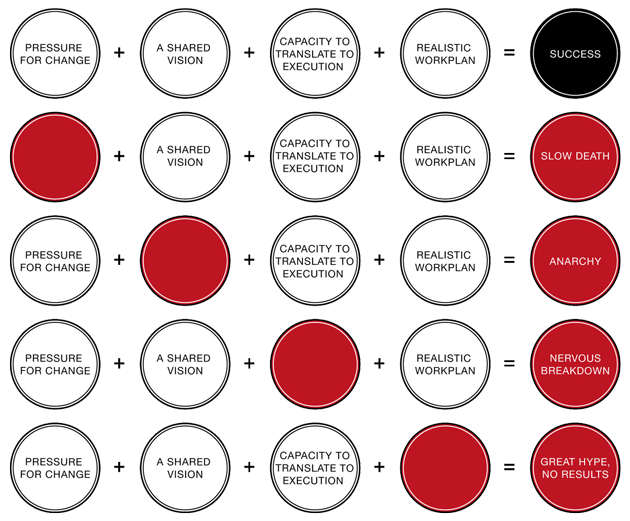
The point being, words like agile and innovative don’t have to be words that are only synonymous with startups. B2B companies can instill a challenger’s sense of agility through the behaviors and culture they nurture. If you’re wondering how a B2B brand knows if it should adopt a challenger mindset, there’s a wonderful diagram created by Michael Hay, a business leader with fifteen years at IKEA, that can help. Outlining four essentials for driving a successful change of strategy, it acts as a checklist for recognizing and delivering change.

need for change

Good Artists Copy; Great Artists Steal

At the end of the day, there are many lessons that B2B brands can steal from the challenger world. Are you leading with a strong story that unequivocally answers the question, “Why do you do what you do?” More than meet a singular need, are you meeting the needs of today and tomorrow better than anyone else? Are you talking with lead adopters at the front of the innovation curve and making them evangelists for your brand?

Perhaps the most important lesson that B2B brands can glean is in how they hire. As Adam Morgan writes,

“Employees at challenger brands require different qualities. They need to be mission-driven. They need to know why they get out of bed and go to work every morning and they need to be passionate about the problems the company is trying to solve. Being a maverick is also of far greater importance at a challenger, the opposite of at a larger organization where dissent is considered a flaw. Employees need to ask the provocative questions and not just take risks themselves, but also to be tolerant of risks that others might take.”

To learn more about how your product-proven B2B brand can benefit from adopting a challenger mindset, contact Tracy Lloyd at [email protected].

To finish reading our three-part challenger series, check out: Part Three—Challenger Brands: Design that Disrupts

Emotive Brand is a brand strategy and design firm for product-proven B2B technology and AI companies.