Overlay
Let's talk

Hello!

The Market Still Sees the Company You Used to Be

A successful company can spend ten years becoming known for one thing. Then the business changes, and the market keeps seeing the company it already knows.

For an established B2B technology company moving into AI, that lag can be hard to shake. The old description has years of reinforcement behind it, from customers, analysts, search, coverage, and the company itself, and it was accurate long enough to become familiar.

Now the company has moved, but the market hasn’t moved with it. Leadership is rebuilding the business around AI using years of proprietary data and knowledge, the customers closest to the company can see the difference, but buyers, analysts, and investors still place the business in a category it’s already outgrown.

An inconvenience in the best of times, the lag gets expensive when the company reaches a moment that depends on the market seeing what changed—and putting a number on it.

Strategy can change faster than market understanding

A company can make a major strategic shift in months, but market understanding moves on its own timetable. An established business has years of evidence attached to what it is, what it does, and where it belongs: old product descriptions remain online, analysts default to familiar language, legacy customers describe the company through the use cases they know, and search continues to show what’s accumulated over time.

AI research adds another layer because systems synthesizing public information don’t inherently know which language leadership has retired or which description best reflects the company today. As long as older descriptions remain abundant, AI will synthesize them.
Customers are often ahead because they experience the change directly, experiencing what the product can do now and how the company has become more valuable. Investors, analysts, partners, and prospective buyers need enough evidence to reach the same conclusion. When customers describe a different company from the one the market sees, it’s a sign you’re moving in the right direction, but still have a ways to go.

One chief executive described the situation plainly: the company was still known for one small piece of a business that had become much larger.

Reinvention theater makes it worse

The tempting response is to overcorrect: lead with AI everywhere, rewrite everything as if the last decade were merely a preamble, and make the change sound more sudden than it really was.

But the market has seen enough companies bolt AI onto an existing story to be skeptical of reinvention by announcement. Trying too hard to look newly AI can obscure the strongest reason to believe the story in the first place: years of customer work built the context that makes an AI integration truly valuable.

The advantage predates the AI—and enables it

Age alone is not an advantage, but if your company has spent its first decade building institutional knowledge and proprietary capability, that can be.

For an established business, years of customer work have created data, workflows, domain knowledge, edge cases, and operating context that can materially improve what the company can build with AI. Even a well-funded competitor can’t reproduce ten years of proprietary context with model spend alone.

That changes the repositioning challenge. The company has to use its history to make the AI credible, showing the depth of what the business has learned and what that knowledge makes uniquely possible now.

The strongest story draws a clear line from years of real customer use to the newly minted advantage, and that line gives the market a reason to fold the company’s old story into an updated understanding. True synthesis.

The market can believe where the company is going when it understands what the first decade made possible.

The Enterprise Growth Problem Nobody Blames on Brand

Enterprise Growth Problem? Blame Brand (Really)

Has your positioning ever survived a happy hour?

The question is a reframe, inspired by a real conversation. A few years ago, a company with good positioning and real differentiation had just closed a difficult quarter. One of their sales reps was at a conference—late, at the bar, a couple drinks in with his guard down. Asked how he pitched the company to prospects, he shrugged. “Whatever I need to say to get the deal done.”

He wasn’t going rogue. He just never felt the positioning strongly enough to use it when it counted.

The Polite (But Perilous) Fiction

Most CMOs in enterprise B2B already know this happens. They just describe it differently. Adoption was uneven. Sales needs another enablement session.

What they’re actually describing is a coherence problem. And another training session won’t fix this.

In a 50-person startup, you can keep the story coherent through proximity. At enterprise scale, the brand has to survive across thousands of people who weren’t in that room, across functions with their own priorities and vocabularies.

Either coherence is strong enough that people carry it without being reminded, or the story quietly disintegrates into a hundred well-intentioned variations that add up to nothing the market can recognize, nevermind embrace.

That fragmentation doesn’t stay internal for long. When the market can’t find one consistent version of the company to recognize, it can’t fully believe it either—and belief is what gets a company valued and priced for what it’s actually built. Left unresolved, a coherence problem becomes a Belief Gap: the distance between the company you’ve built and the company the market is prepared to recognize, believe, and price.

The Nod That Means Nothing

There’s a moment worth dreading. Leadership team in a room, brand work on the wall, and everyone nods. But nodding is just the absence of objection, not the presence of belief. When people walk back to their desks after that meeting, the nod evaporates because they didn’t feel what they approved, they just confirmed it was accurate, and those are different things.

A CRO at an enterprise SaaS company put it well. “We don’t have a messaging problem. We have a conviction problem.” His team understood the talking points. They just didn’t believe them enough to feel confident improvising with them. And every enterprise sale eventually requires improvisation. The moment a prospect asks a question the messaging doc didn’t anticipate, you find out whether your team has conviction or just compliance.

Why Emotion Is the Rational Move

A Google and CEB study found that B2B buyers are driven more by emotional connection to brands than B2C consumers. That stops most people for a second, but it makes sense when you consider what’s actually at stake.

Emotion is the most rational response to high-stakes B2B decision-making. When a bad recommendation could cost you your standing with the board, you don’t just evaluate the product. You evaluate whether you trust the people behind it. And that trust comes from every conversation with the company feeling like it’s coming from the same place, which only happens when the people having those conversations believe the same thing.

The Pattern of Belief as Accelerant

Over 17 years and more than 200 B2B engagements, one thing has become clear. The companies where brand actually accelerates growth are the ones that treat belief with the same seriousness they bring to positioning.

When it works, you can show up anywhere around the globe—and every employee sells on brand, and builds product on brand. Not because they memorized the messaging framework, but because it captures what they believe really matters.

Customers feel the difference, evangelists show up on their own instead of being manufactured, and top talent arrives because the people inside are proud enough to recruit from their own networks. The company becomes something rarer than a unicorn: an enduring brand.

The Burning Question for B2B Enterprise

The fundamental question for most enterprise B2B companies isn’t whether their positioning is accurate. It’s whether their team could defend it to a skeptic without reaching for the deck.

If the answer is no, you don’t have a positioning problem. You have a conviction problem—just ask your sales rep at the bar.

The Emotion Recession

We live in a world overflowing with brands. They reach us with uncanny timing, land in our feeds with polished precision, speak to us in data-informed tones that feel…almost human.

And yet, something’s missing.

These brands reach us. But they do not move us.
They find us. But they fail to touch us.
They speak. But they do not stir.

This is not a failure of marketing tactics. It’s a failure of meaning—the fusion of conviction and emotion that makes a brand believable in the first place.
And it has ushered in what can only be called an Emotion Recession.

Not because money is scarce. But because emotion is.
Not because we lack tools. But because we’ve misplaced the heart.

In pursuit of efficiency, we have sacrificed empathy.
In pursuit of scale, we have abandoned soul.

We have turned marketing into math. We’ve swapped friction for flow, story for sequence, personality for personalization. And what have we gained? Speed, yes. Reach, certainly. But at what cost?

The joy has drained out, and the result is clear: brands that operate but do not inspire. Products that function but do not endure. Customers who buy once and never return.

A brand does not die when revenue dips. It dies when no one cares. And today, far too many brands are quietly bleeding out—not in dollars, but in feeling.

Still, leaders cling to optimization as strategy.
They automate, streamline, accelerate.
But they forget: people do not remember velocity.
They remember how you made them feel.

And yet—there are exceptions.

Some companies are choosing a different path.

  • Atlassian leads with openness in a category that often defaults to control.
  • HashiCorp has turned DevOps into a platform that fosters community and loyalty.
  • Gusto brings a sense of humanity to a space that typically feels transactional.
  • SurveyMonkey maintains a voice that is direct, approachable, and unmistakably human—even in the enterprise space.

These brands aren’t chasing emotion for its own sake. They use it to create relevance. To build trust. To ensure what they offer doesn’t just function—but matters.

They recognize that emotion isn’t the opposite of efficiency. It’s what gives efficiency purpose, and it only works when it’s built on something true. It’s what turns a useful product into a memorable experience. A one-time buyer into a long-term believer.

And in a time when so many brands are fading into the background, that kind of resonance is what sets them apart.

So here’s the choice.

You can keep optimizing until your brand is invisible—perfectly efficient and perfectly forgettable. Or you can choose to reinvest—boldly, intentionally, unapologetically—in the two things that will outlast every product, every platform, every algorithm:

Truth. And the emotion to make it felt.

Efficiency might keep your business breathing.
But making the truth felt is the only reason anyone will care that it’s alive.

The Belief Gap: Why Product-Proven Companies Still Get Priced Like Yesterday’s Company

A company can change dramatically before the market changes its mind about it.

The product gets stronger. The customer base grows more sophisticated. The strategy shifts. The company moves into larger accounts, new categories, or entirely different conversations than the ones it was having a few years earlier.

Inside the business, that evolution can feel obvious. Outside it, the old picture often lingers.

Investors still compare the company to peers it has outgrown. Analysts use a category that no longer quite fits. Buyers arrive with assumptions formed years ago. Leadership finds itself spending the first part of an important conversation explaining what the company is no longer before getting to what it has become.

That distance between the company you have built and the company the market is prepared to recognize, believe, and value is what we call the Belief Gap.

And it tends to become most visible at exactly the wrong time: when the company is approaching a raise, acquisition, IPO, category shift, or another moment when somebody outside the business is being asked to make a judgment about its value.

The market does not update itself when your company changes

Leadership teams often assume meaningful business change will eventually become self-evident.

If the product is stronger, the customers are better, and the company has clearly moved on, surely the market will notice.

But the people evaluating the business do not have the same context leadership has accumulated over years of product decisions, customer conversations, hires, and strategic shifts. They work with what is available to them.

That might be the current website. It might also be an analyst report written two years ago, an old product announcement, a sales deck, an executive interview, a customer story, a job description, a search result, or an AI-generated summary drawing from several of those sources at once.

The problem is often less that any one thing is completely wrong than that each surface is telling a slightly different version of the company.

Sales describes it one way. The investor deck frames it another. Product still uses language inherited from an earlier category. The homepage reflects the latest strategy, while the rest of the company’s public record does not.

Every piece may be defensible. Together, they can leave the market trying to assemble a company that no longer exists.

This is why repositioning can disappoint even when the new messaging is good. Leadership changes the story, launches it, and assumes the market’s understanding has changed with it.

Usually, it has only started to.

The real problem is recognition

There is a difference between saying something new about a company and changing what people believe the company is.

A sharper message can make the business easier to explain. A new identity can make it more distinctive. A new website can put the latest strategy into the world.

But none of those things automatically replaces the picture the market already has.

Recognition has to be built across the places where people encounter and evaluate the business. The current story has to become more coherent and more credible than the accumulated evidence of the old one.

That starts with being precise about what is actually true.

Not what leadership wishes the market would think or what sounds strongest in a positioning exercise. The underlying conviction of the business: what it has come to believe through the product it built, the choices it made, and the customers who chose it.

That truth also has to mean something to the people encountering it. Facts can establish credibility, but they do not automatically make the difference matter.

This is why we build Conviction and Emotional Impact together. One establishes what is true and why it matters. The other defines how that truth needs to be experienced for belief to form.

Once those two things are clear, the work becomes less about inventing more ways to describe the company and more about making sure the same underlying truth survives everywhere it travels.

You can usually see the gap before the market prices it

The Belief Gap rarely appears out of nowhere.

Leadership hears outdated language repeated back in meetings. Sales spends too much time correcting basic assumptions before it can advance the conversation. Different executives describe the company accurately but differently. Analysts place the business in a category leadership believes it has moved beyond. Talent encounters an employer story shaped by an earlier stage of the company.

Sometimes a competitor with a clearer market story begins getting credit for territory the company believes it established first.

None of these signals proves a company is undervalued. They do suggest that market understanding may be trailing business reality.

That is worth knowing before a defining moment begins.

The temptation at that point is to jump straight into expression: change the message, rebuild the website, create the new deck.

The better place to start is with the discrepancy itself.

What does the market appear to believe today? What has become true inside the company that has not yet carried outside it? Where are old assumptions still being reinforced? Where are different teams contributing fragments of the same story?

The answer is rarely a single bad tagline. More often, the company has evolved faster than the system it uses to explain itself.

Recognition has to keep pace

Closing the Belief Gap is not a launch.

The company has to define the truth it wants the market to recognize, build enough shared understanding internally to carry that truth consistently, and keep reinforcing it across the surfaces where judgment forms.

Then it has to keep checking whether that understanding is holding.

Because companies keep moving. Products change. Markets change. Competitors change. Acquisitions, new capabilities, new leadership, and new strategic priorities can all create distance between the business and the picture the market has of it.

A company can close the Belief Gap and reopen it two years later.

That is why we think about Recognition Readiness as an ongoing discipline rather than a rebrand timed to a transaction. The goal is to keep the market’s understanding close to the reality of the business as it evolves.

The benefit is not that every investor suddenly agrees with leadership’s valuation or every buyer understands the company perfectly.

It is that important conversations can begin closer to the truth.

A buyer does not need the first meeting to understand what category the company is really in. An investor is less likely to begin from a comparison leadership believes is obsolete. The executive team spends less time correcting the record and more time making the case for what comes next.

At a value-defining moment, that matters.

A company should not arrive at the point where somebody else is judging its future and discover that the market is still working from its past.

The work is to make sure what the market sees has kept pace with what the company has built, so when value is judged, the company entering the room is the one leadership is actually leading.

Five Brands That Embrace Emotion

Looking for a quick hit of strategic inspiration? A dose of oxytocin in brand form? We found five examples that are hitting the mark by moving people. Emotional connection for the win.

Over recent years, the rise of emotion has been undeniable. The following five brands—across diverse categories and including one of Emotive’s own clients—offer proof that the era of emotion has arrived. Can you feel it?

1. Unlocking the potential of those who advance the world.

Boston Consulting Group (BCG), global consulting firm.

Many brands claim to be human-centered, but few actually are. BCG’s succinct yet powerful premise—supporting the leaders who move us all forward—is inherently emotional and deeply human. And it’s refreshing to see that emotion and humanity are injected throughout the brand, even in how insights are presented.

Acknowledging the unique challenges of leadership today and rather than preaching from on high, BCG presents expertise in a relatable and trustworthy way by inviting chief executives to “Hear from Fellow CEOs.” Their CEO Moments of Truth YouTube videos attract hundreds of thousands of views each.

The brand is also emotionally bolstered by fostering strong, ongoing relationships with past employees, referred to as alumni and considered part of the BCG family. BCG’s Alumni Program includes a learning library and events to connect current and past employees.

We get the impression that, through and through, BCG walks the walk in “unlocking the potential” of the people it serves and employs. Good feels all around.

2. Clean feels good.

Clorox, multinational manufacturer of consumer and professional products.

Clorox’s latest campaign, “Clean Feels Good,” pivots from the science of disinfecting to the emotional upside of cleanliness. They teamed up with a neurotech firm to measure and show how the everyday act of cleaning—far from a mere burden—is for many people a proven way to boost mood and foster a sense of wellbeing.

We notice that spot-on (or off) expertise, as seen in their online database of practical cleaning tips, is balanced with touches of emotion throughout the Clorox website, as in, “Follow our tips to save time, money and possibly the day.”

More than ever, Clorox positions itself as a health and wellness company that exists to help people thrive—not just kill germs. They don’t just grab attention by challenging expectations—they earn engagement and loyalty by highlighting a source of joy hiding in plain sight.

3. Powering the inclusion economy.

Katapult, leading omnichannel lease-purchase platform.

Spanning B2B and B2C, Katapult—an ecommerce-focused FinTech company—is one of Emotive Brand’s clients and an example of how feeling elevates brand in any sector.

With empathy and optimism, Katapult challenges the dreary status quo of retail purchase plans, dominated by predatory rates and gatekeeping via credit scores. A friendly, buoyant brand identity showcases a fresh point of view: Seeing the good in people is good for business.

For retailers, Katapult encourages openness to overlooked, unfairly excluded consumers. For shoppers, Katapult opens doors to major purchases, central to quality of everyday life but too often out of reach. We enjoyed the collaboration, and the chance to help level a playing field tilted for too long.

4. Keep your options open.

Red Hat, leading provider of enterprise open source software solutions.

In an interesting twist, Red Hat’s recent marketing humanizes AI to show its potential flaws and differentiate the company’s offering. The result is a message that connects emotionally—as opposed to relying solely on the kind of forgettable AI technology proof points in which we are all now drowning.

The campaign ties back seamlessly to the compelling, central brand premise—creating better technology with open source. Rather than a bland functional claim, the concept of openness infuses the entire brand with purpose and feeling: Open source, open culture, open to possibilities.

As Red Hat explains on their site, “Red Hat exists not only as an enterprise software company but as a catalyst for change, built on the belief that open unlocks the world’s potential.” We appreciate the tight connection between the functional and emotional, a hallmark of the strongest brands.

5. Own the dream.

Rocket Mortgage, major online mortgage lender formerly known as Quicken Loans.

Rocket Mortgage’s recent rebrand is a dramatic example of leaning into the power of emotion. While homeownership is treated as a numbers game by most companies in the industry, Rocket has opened the door to deeper connection with prospects and customers.

They now show up with warmth, humanity, and recognition that what they offer is more than home loans—it’s the fulfillment of a deeply meaningful aspiration for most people. The brand shift is especially powerful in an uncertain economic climate, when many are doubting their belief in the classic American dream.

Visually and verbally, the new brand tone is clear in a more approachable logo, simpler data identity system, and a voice of understanding and encouragement for customers making big financial decisions.

Even in small moments, Rocket finds ways to engage. The online application funnel feels helpful and human, like when they explain that “prequalified” is just “another way of saying ‘let’s estimate what you could afford.’” After all, in a lengthy transaction as emotional and momentous as buying a home, a little empowerment at each step likely goes a long way.

Rebranding Silverfort to Close the Belief Gap

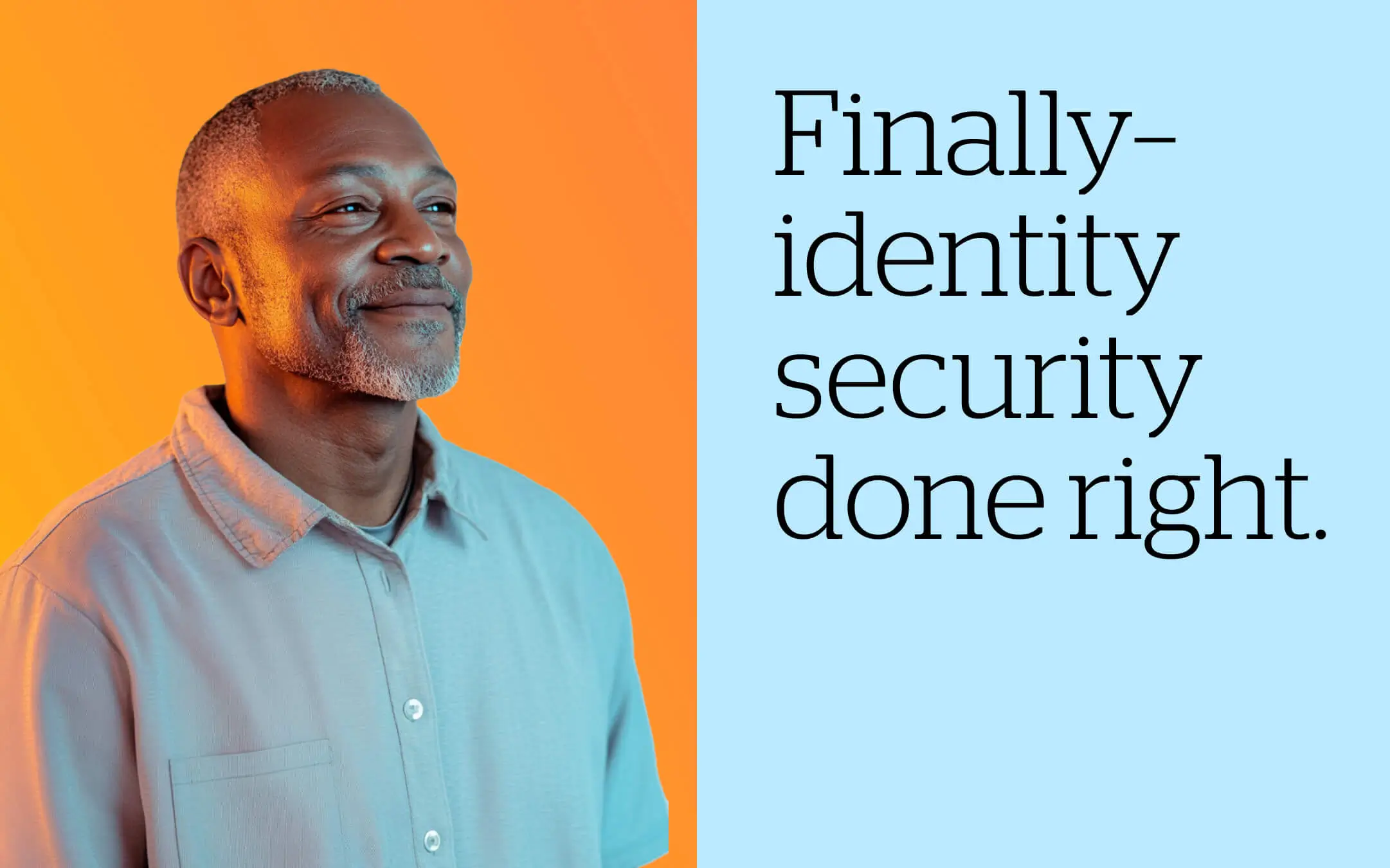
Every day, Emotive Brand works with product-proven B2B technology and AI companies to help the market recognize what they’ve built before value is judged. So we were thrilled to partner with Silverfort, and rise to the challenge of helping the market understand a new approach to an industry on which all other industries now depend.

Silverfort had developed a fundamentally different approach to identity security. Lucky for us, their leadership team understood that when you challenge the status quo, you have to bring everyone along—and that in revealing new possibilities, you must not only explain how they work but why they matter, especially in crowded B2B and tech spheres.

Innovation meets appreciation

At Emotive Brand, we believe that when you honor the people behind the tech—and build a brand that elevates their role—you can unlock something powerful: belief.

That’s exactly the opportunity we saw when we teamed up with Silverfort. The team at Emotive felt it right away.

Silverfort isn’t just another cybersecurity company. Its Runtime Access Protection (RAP) approach puts identity at the center of cybersecurity in a new way. But like so many transformative technologies, the hardest part isn’t necessarily the innovation. It’s helping people understand and believe in it.

Identity security has long been overlooked as a critical part of cybersecurity. And the professionals who manage it? Often underappreciated, fighting quiet battles in the shadows of flashier security priorities. Silverfort saw that. And we did too.

Together, we built a brand that said: not anymore.

Expansive technology needs expansive strategy

We set out to do what brand strategy does best—make a complex, technical shift clear, meaningful, and recognizable. We shifted the narrative from what identity security has been (an afterthought) to what it can be: comprehensive, continuous, and finally worthy of the spotlight.

To get there, we built from what was fundamentally true about Silverfort and how that truth needed to be experienced. The resulting verbal identity reflects Silverfort’s intrepid spirit of discovery—how they found a way to completely reimagine identity security, delivering the technology identity security professionals deserve.

Pivoting away from fear-based category tropes about dark, looming threats, the voice and underlying brand strategy take care to validate and uplift these essential teams.

In tandem, we created a new visual identity that feels alive—ambient gradients, adaptive forms, and a striking aura of protection that surrounds any environment, any user, any system. It signals optimism, not fear. Momentum, not maintenance. Progress, not patchwork.

All told, our work with Silverfort began with the Brand Foundation and extended through verbal and visual identity to digital expression, including a new website. But make no mistake—we weren’t checking boxes. Every element serves a bigger purpose.

Belief starts with what’s true

The heart of the Silverfort brand is belief—not just in its technology, but in people. The identity and security professionals who’ve kept enterprises afloat without recognition for too long. The ones who understand how deeply fragmented and fragile identity systems have become. The ones who finally see a solution that speaks their language and elevates their purpose.

Of course, Silverfort’s employees carry that belief from the inside. The brand gives them a shared way to connect the capabilities of the technology to the larger reason the work matters—serving the people battling on the frontlines against cyber attackers, and challenging the status quo to “find a way” to do the impossible.

No doubt, Silverfort has always been supremely innovative.

But today, when they show up in the world, they’re not just making the technical case—they’re making the emotional one, too. Their new brand helps make Silverfort’s difference easier to recognize and gives the people it serves a reason to see their own role in the company’s vision.

That’s what it means to make truth felt: to turn what a company knows from the inside into something the market can recognize and believe from the outside.

And that’s the work we love most.

A quick update, one year later: Silverfort has continued to expand both its business and its role in the identity security category. The company formed a strategic alliance with SentinelOne to secure human, machine, and AI agent identities together, acquired Fabrix Security to bring real-time AI-driven authorization to its Runtime Access Protection platform, and received new industry recognition across identity management and security innovation.

The company has kept moving. The brand now has a stronger foundation for keeping pace with it.

To learn more, read our Silverfort case study.

Why Is It So Hard to Define a Brand?

Why is defining brand so difficult? Think of how quickly the bounds of brand design, voice, expression, and experience have expanded and continue to expand, thanks to the Big Bang of the internet and now the cosmic shift of AI.

If you were born somewhere south of the turn of the century, you may recall when brands were curated and controlled.

Mainly composed of a logo, tagline, ads, and packaging, brands were more like museum exhibits than living, breathing entities. That’s because so few touchpoints delineated the scope of people’s engagement.

Today? Not so much.

Here’s the thing. “Brand” is somehow just as easy to define, but harder to get your head and hands around: It is the system that carries a company’s truth into the market—through positioning, narrative, identity, proof, emotion, expression, and behavior—across an ever-multiplying number of experiences and impressions.

And all those moments of interplay between humans and brands release emotional energy that reverberates outward, in reviews, social media posts, tradeshow chatter, YouTube unboxing videos, reddit threads, and beyond.

That’s why it’s so critical to thoughtfully craft a coherent brand across every surface, so the market can accurately recognize what the company is, what it has become, and where it belongs.

Brand is how you respond to questions on Instagram. Whether your customer support is hands-on or MIA. How you treat your employees, and how they in turn show up for customers. The authenticity, or lack thereof, in your messaging and whether you lead or follow with design. It’s the choices you make and how they affect people.

Perhaps a strict definition isn’t appropriate for such a dynamic, expansive concept anyway. So here are a few of Emotive Brand’s fundamental principles for fusing conviction and emotion at the foundation of a brand, so what’s true inside a company becomes what the market recognizes, believes, and values.

Build Emotional Impact into your brand’s foundation.

Putting Conviction and Emotional Impact into the Brand Foundation gives you a barometer for decision-making and inspiration for meaningful, inimitable creative expression.

Ask people why they love a brand, and they often struggle to pin it down. They may list logical reasons like quality or aesthetics, but in the end it comes down to a feeling. How does the brand move them? Why do they come back for more of that feeling? What does that feeling mean to them? Brands that create a specific Emotional Impact give people a reason to believe what the company claims is true, meaningful, and worth acting on.

This principle goes beyond relationships with customers. Inside the company, Emotional Impact helps leadership and employees carry one coherent version of the business across teams, decisions, and interactions.

No matter the audience, Emotional Impact gives conviction the force to become belief—and belief turns recognition into commercial action.

Think of your brand as a prism.

You can illuminate the same Conviction, Positioning, and Emotional Impact from different angles to connect with different audiences.

A single brand has many facets. The same strategic source is reflected in different ways to connect with different audiences, whether potential customers or loyal devotees, longtime employees or new recruits, or—at the highest level of expression—the world at large.

For example, the statement of purpose or brand promise you’ve defined for customers should have a corresponding statement for employees—the same idea filtered through an internal lens. Imagine a hospitality company that tells guests to “expect remarkable experiences.” Translated internally as “creating remarkable moments,” employees are inspired to find ways to make every guest interaction worth talking about, thereby delivering on the customer promise.

Lock the core. Flex the expression.

Just like people, your brand needs the flexibility to meet the moment while remaining one coherent company across every surface.

Even within the scope of one audience, how your brand shows up should vary depending on where, when, and with whom you interact. In your own life, think of the depth of communication with a new friend versus a lifelong bestie. A brand hasn’t earned the time and space in the lives of new customers and prospects to assume closeness or understanding.

As relationships deepen, your brand can be expressed in more meaningful, personal ways that align with needs revealed by the customer. Context matters, too. For an airline brand, a friendly greeting like “so good to see you again” conveys warmth when it comes from a familiar gate agent. Plastered on a sign, this message feels inauthentic and out of place.

At Emotive Brand, the Brand Foundation establishes the enduring strategic and emotional source of the brand, while the Coherence Guide translates that source into the recognition the company must consistently earn in the market today. Together, they allow the brand to develop, expand, and respond without fragmenting as the company and market evolve.

Start with what is already true.

The concept of brand can be nebulous, but you can get a foothold by defining the objective reality of what the company has built, achieved, and become—and the conviction leadership holds about why it exists, where it is going, and why it matters.

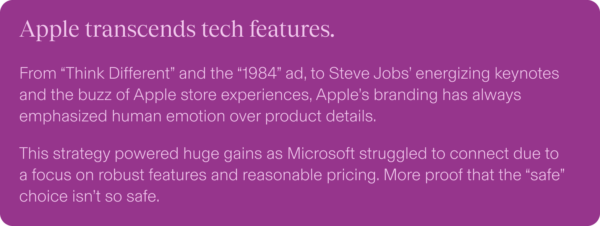
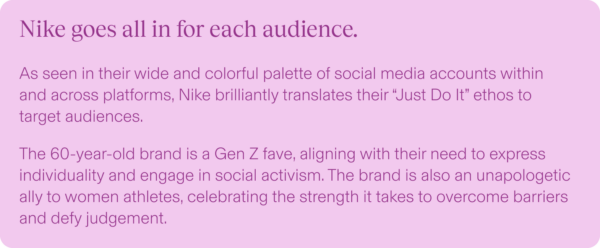
More often than not, the answer to “what is a brand?” entails a list of well-loved icons. Sure, references to Nike, Apple, or Google can give form to the concept, but solely thinking of brand in terms of big names isn’t enough. Especially when your vision challenges the status quo.

At Emotive Brand, we work with product-proven companies approaching a value-defining moment. They have already built something real; they do not need meaning invented for them. They need the market to recognize what they have become. Why look backwards when you’re trying to shape the future?

Think of what “brand” might mean to an AI-native company whose platform has outgrown the category the market still assigns to it—versus an established company that has evolved faster than market memory can update. One may need to become recognizable before the market has language for what it is creating. The other may need to replace an outdated understanding with a coherent account of what the business has become.

“Brand” is how truth becomes recognizable.

Today’s brand landscape is wide open. But companies are no longer evaluated one interaction at a time. Buyers, investors, analysts, partners, talent, and AI systems assemble an understanding from the entire available record. The challenge is not simply to create more expression; it is to ensure every expression resolves into one recognizable company.

Define what is true. Build Conviction and Emotional Impact into the foundation. Then carry that truth coherently across every surface so the market can recognize, believe, and value what the company has built.

The Future Belongs to Those Who Make Us Feel

As technological, political, and societal shifts accelerate at mind-scrambling speed, not all are lost. A new type of leader is rising to meet this unprecedented moment: Visionary reinventors.

While more traditional leaders are disoriented by growing complexity, visionary reinventors maintain clarity, direction, and unstoppable momentum.

They know that as AI ascends, uncertainty abounds, and culture morphs and even fractures, one thing remains constant—the powerful combination of conviction and emotion.

By defining, honing, and owning the conviction and emotional impact of the brands and organizations they lead, visionary reinventors forge meaningful and enduring connections with customers, investors, and employees.

Conviction isn’t manufactured for a pitch or invented on demand. It’s the truth already sitting inside a company, waiting to be named. Visionary leaders find it first, own it fully, and let it lead everything that follows.

This emotion-centered approach empowers a fiercely proactive posture. Visionary reinventors don’t wait for the world to be ready.

These modern leaders move people, markets, and industries above features and functionality to the higher ground of belief, a place of new perspective, where change is not feared—but desired, demanded, and inevitable.

They know that innovation alone does not and cannot unleash true disruption. Visionary reinventors understand that today, more than ever, disruption unfolds from an emotional epicenter.

Passionate conviction ripples out, igniting the energy of a movement. What once felt like foundational truth is revealed as dogma, suddenly inadequate and unbearable, making way for new possibilities and deeper purpose.

After all, the elevation of human potential is what makes technology truly powerful. And in ever more saturated markets, how products make us feel is what drives their value.

Consider these two examples, each with a functional and emotional premise.

image-functional-and-emotional-premise-examples

Make no mistake—the emotional framing captures truth. It simply translates the functional premise into the human meaning, painting a picture not of a product but of a better future for people.

This is how visionary reinventors communicate. They don’t convince—they inspire belief. They don’t pull people along—they create a strong emotional current that moves people to alignment and action.

Ideas propelled by emotion have a magnetism and magnitude that can’t be neatly contained in any pitch deck. How they make people feel can’t be replicated by competitors. And once unleashed and embraced, they can’t be stopped.

Emotion’s catalytic role in transformative leadership lives at the core of Emotive Brand’s services. Every day, we have the privilege of partnering with visionary reinventors to reimagine brands, create categories, and ignite change.

We’ve seen it firsthand. The future isn’t built by those who wait for the world to be ready—it’s built by those who make the world feel ready.

The Unstoppable Rise of Emotion: Why Leading with Feeling is the Rational Choice

Wherever humans are present, emotion is a constant. 

It’s the silent force guiding decisions, the vital spark that translates ideas into action. We know it intuitively: the choices that matter most—whether you’re choosing a partner, purpose, or product—aren’t tabulated in spreadsheets. They’re made in hearts and minds.

So why in the world of business do we so often dismiss emotion?

At Emotive Brand, we’ve always believed that emotion isn’t just powerful—it’s essential. Feelings drive loyalty, ignite movements, and deliver measurable outcomes. Our new white paper, The Unstoppable Rise of Emotion, makes the case by showing how strategic use of emotion amplifies impact in ways logic alone never could.

This isn’t just a theory. Emotion has become a pillar of effective leadership, branding, and business strategy.

Why Emotion Is Now Imperative 

As generational and technological shifts redefine expectations, emotion is no longer optional—it’s the ultimate competitive advantage.

Decisions—personal and professional—are emotional at their core. And the data proves it. Reflecting a dramatic shift that began accelerating in the late 90s, 70% of brand decisions are now driven by emotional factors, and emotionally connected customers deliver 306% higher lifetime value.

Emotion is the key to staking your claim, standing out in saturated markets, and forging real connections in an increasingly skeptical world. 

What You’ll Discover in the White Paper

The Unstoppable Rise of Emotion doesn’t just explain why emotion works. It’s your guide to transforming how you connect, lead, and grow. Download the paper to explore:

  • The Science of Emotion: Why our decisions are rooted in feeling—and what that means for business.
  • The Barriers to Emotion: Cultural biases and structural blind spots that keep organizations from fully embracing emotion as strategy.
  • The Framework for Change: How to rethink impact and embed the power of emotion throughout your brand, culture, and leadership.

The way forward isn’t a feel-good tagline or even a generous injection of emotion into a campaign. Success requires that you lead with feeling—everywhere, all the time.

For Leaders Who See that More Is Possible

The future belongs to those who can connect—not just inform with rational benefits, but resonate through shared humanity. It belongs to leaders who understand that emotion is the driving force behind the most transformative decisions we make.

For leaders who want to build legacies that include but also transcend brands, The Unstoppable Rise of Emotion is your blueprint.

Download the white paper today and reimagine the role of emotion to amplify your impact, deepen relationships, and earn enduring loyalty.

The Case for Supreme Honesty as a Precursor to Killer Brand Strategy

Honesty should be a brand’s biggest advantage. So why do most companies avoid it?

In a business world obsessed with perfect messaging, polished narratives, and airtight PR strategies, radical honesty feels like a risk. It makes legal teams sweat. It makes executives hesitate. But in reality, it’s one of the strongest differentiators a brand can have.

Honesty Isn’t Just Ethical—It’s a Competitive Edge

Most brands talk about transparency, but few actually embrace it. Instead, they play it safe, saying what customers want to hear rather than what they need to know. But here’s the problem: in today’s market, sameness is the enemy. Customers are drowning in polished corporate speak. They’re skeptical. They crave brands that feel real, human, and bold enough to tell the truth.

Radical honesty isn’t just about ethics—it’s a strategy. When done right, it creates differentiation, builds deep trust, and sets a brand apart in a way that competitors can’t easily replicate. In a world where every company sounds the same, honesty is one of the last true brand moats.

How Radical Honesty Becomes a Brand Superpower

1. Say What No One Else Will Patagonia doesn’t just acknowledge the environmental impact of its industry—it puts that message front and center. By being upfront about its limitations and continuously improving, Patagonia earns trust, loyalty, and cultural relevance. The result? A brand that commands attention and dominates the outdoor apparel market.

2. Show Your Inner Workings Buffer, a social media management platform, took transparency to an extreme. They made their salaries public, shared revenue openly, and detailed internal decision-making. This level of openness wasn’t just a PR stunt—it was a strategic move that built a loyal, engaged community. Customers trusted Buffer not just as a product, but as a brand that aligned with their values.

3. Own Your Mistakes—Loudly The brands that win in the long run aren’t the ones that never mess up; they’re the ones that own their missteps with honesty and action. When Airbnb faced backlash over racial discrimination on its platform, it didn’t issue a vague apology—it commissioned an external audit, made the results public, and took real steps to fix the issue. That level of accountability is rare, and it set Airbnb apart as a brand willing to do the hard work of change.

The Real Question: Why Does Your Brand Exist?

If there’s only one question you answer on this list, make it this one. Ignore pricing. Ignore product features. Ignore the logo.

Why does your brand matter?

Why should people care? Why do your employees show up every day? What does a world without your brand look like? Why is your success not just important—but necessary?

Your ‘Why’ is the ultimate differentiator. There will always be copycats, undercutters, and fast followers. But when a brand relentlessly pursues its purpose—when it stands for something real—everything else falls into place.

How to Start Using Radical Honesty Now

1. Find the Hard Truths – Identify the uncomfortable truths in your industry or company that no one talks about. These are your differentiation opportunities.

2. Make Transparency a Core Value – It’s not just about a one-time campaign. Weave honesty into your product, your messaging, and your internal culture.

3. Be Bold, but Be Smart – Radical honesty doesn’t mean saying everything, all the time. It means sharing what matters most—strategically, thoughtfully, and in a way that builds trust.

Brands that embrace radical honesty don’t just earn trust—they earn attention, loyalty, and market dominance. The question isn’t whether honesty is risky. The real risk is blending in with everyone else.

Emotive Brand is a brand strategy and design agency in Oakland, California.